
Next Generation Global Trade Ecosystem
TBP WORLD VISION PROJECT
TBP is bringing together communities, nations, regions, and the private sector into a single collaborative framework under the Neo-Polar Neutrality Global System (NPNGS) —built on neutrality, shared infrastructure, and interoperable protocols—to unlock an inclusive, sustainable, and future-ready global economy and redefine how the world trades.

Years
About Us
Empowering Global Prosperity Through Neutrality
The TBP World Vision Project is a global initiative pioneering the Neo-Polar Neutrality Global System (NPNGS)—an infrastructure-led framework designed to reshape how the world trades, moves energy, and collaborates across borders.
TBP connects countries and regions worldwide through a single, neutral maritime shipping, trade, and economic corridor, supported by shared infrastructure, interoperable protocols, and nextgeneration logistics and energy systems. By moving beyond fragmented and politicised trade structures, TBP enables open participation in global commerce while preserving national sovereignty.
Through innovative investment models, neutral trade corridors, and scalable infrastructure deployment, TBP is building the foundation of a multi-trillion-dollar global trade and energy ecosystem—one that delivers equitable access, resilience, and long-term prosperity to every region of the world.
At its core, TBP is not a bloc, alliance, or ideology. It is a neutral platform for global participation, designed to empower collaboration in an increasingly complex and multipolar world.
- People
- Communities
- Countries
- Regions
- International Organisations
- Private Sector
Global Trade Enablement
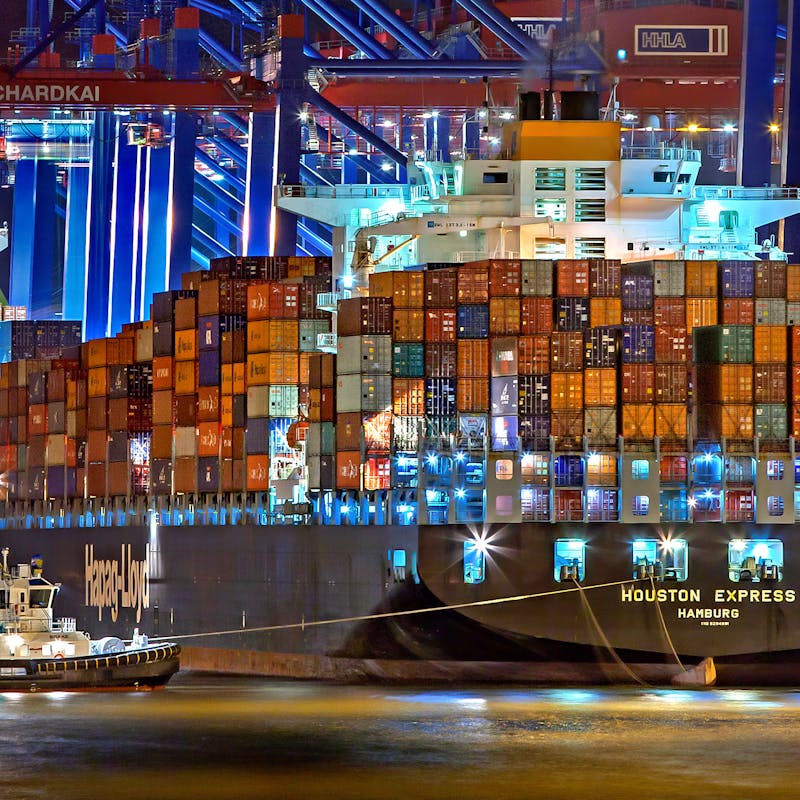
TBP delivers a comprehensive suite of trade enablement solutions designed to help countries, regions, and corporations integrate seamlessly into the Neo-Polar Neutrality Global System (NPNGS) and strengthen their role in the next generation of global trade. Through infrastructure-led connectivity, neutral trade corridors, and interoperable digital platforms, TBP enables partners to modernise their trade architecture, expand global market access, and enhance economic resilience—without compromising sovereignty, regulatory independence, or policy autonomy. Beyond strategic advisory, TBP provides end-to-end, turnkey trade solutions that support seamless participation across the ecosystem. These include the design and implementation of neutral trade frameworks, structured commodity export systems, trade facilitation services, and adaptive commercial agreements aligned with global neutrality and interoperability principles. By integrating physical infrastructure, digital trade systems, and policy frameworks, TBP empowers its partners to operate within a borderless, inclusive, and future-ready global trade ecosystem, unlocking sustainable growth, long-term competitiveness, and shared prosperity.
A Systems-Level Shift
“The TBP World Vision Project signals a structural shift in how global trade, energy, and data systems are designed and operated. Rather than relying on fragmented agreements or politicised routes, TBP introduces an infrastructure-led framework that enables trade to flow efficiently, energy to be accessed equitably, and data to be deployed securely across regions. By integrating neutral trade corridors, clean energy infrastructure, and next-generation data ecosystems, TBP has the potential to reduce systemic friction in global commerce, enhance energy security, and support resilient digital economies. This convergence creates the foundation for faster market access, more reliable supply chains, and scalable economic participation across both advanced and emerging markets. As these systems mature, the project could redefine how value moves globally—shifting from dependency on single power centres toward a more balanced, interoperable, and future-ready global economy. The scale and ambition of TBP position it as a potential catalyst for long-term transformation across trade, energy transition, and digital infrastructure.”
The NPNGS Framework:
Foundational Pillars
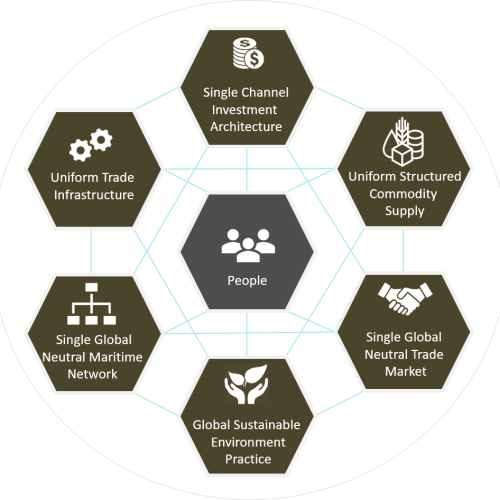
The TBP Global Neutral Trade Ecosystem is built upon seven foundational pillars that underpin a new era of global trade—one that is neutral, interoperable, and infrastructure-led. These pillars form the structural backbone of the Neo-Polar Neutrality Global System (NPNGS), establishing a consistent and sustainable global standard for trade, infrastructure, and economic participation. They are designed to enable countries and regions to engage on equal footing, regardless of size, geography, or political alignment. Unlike traditional trade models that rely on fragmented agreements, political bargaining, or powerbased influence, the NPNGS pillars embed fairness, transparency, resilience, and trust directly into the underlying infrastructure and operational protocols that enable trade. Neutrality is not asserted—it is engineered. By adopting these pillars, nations and regions can align their trade architecture with a globally neutral framework, reducing systemic friction, enhancing interoperability, and positioning themselves for equitable participation in international trade. Collectively, the pillars provide a durable foundation for long-term economic stability, inclusive growth, and shared prosperity within the emerging Neo-Polar global order.
World's First Dynamic Maritime Route
The TBP Single Global Neutral Maritime Network represents a fundamental breakthrough in global shipping, introducing the world’s first Dynamic Maritime Route System. Designed to overcome the rigidity, congestion, and geopolitical constraints of traditional shipping lanes, this system redefines how maritime trade flows across the world. At its core is TBP’s proprietary Adaptive Intelligent Trade Route (AITR) system, an AI-driven platform that dynamically optimizes global shipping routes in real time. This digital intelligence is combined with a network of standardised offshore floating transhipment platforms, strategically positioned along major global shipping lanes, and integrated with the Africa–Middle East Transcontinental Maritime Crossrail Corridor. Together, this infrastructure establishes new offshore maritime junctions—neutral, non-sovereign connection points that effectively bridge and integrate four major global maritime routes: the Indian Ocean, Atlantic Ocean, Red Sea, and Arabian Gulf. Rather than relying on fixed chokepoints, the TBP system creates flexible offshore interchange nodes that enhance resilience, redundancy, and efficiency across the global maritime network.
Dynamic, Customer-Centric Shipping
One of the most significant advantages of the TBP Dynamic Maritime Route System is its ability to offer multiple route options to shippers in real time—prioritizing the shortest, fastest, or most costeffective pathways depending on operational needs. Routes continuously adapt based on live shipping traffic, vessel availability, weather conditions, and proximity to offshore platforms, ensuring optimal decision-making throughout a voyage. This flexibility transforms global shipping from a static, schedule-bound process into a responsive, demand-driven system.
Unlocking New Capacity and Reducing Congestion
The system also creates new commercial opportunities for ocean-going vessels, enabling ships to pick up and drop off multiple consignments mid-voyage via offshore platforms. This increases asset utilization, reduces idle time, and expands earning potential across the global fleet. In parallel, regional ports can operate dedicated shuttle vessel services between ports and TBP offshore platforms. This offshore-first logistics model significantly reduces congestion at onshore ports, shortens turnaround times, and enables smoother integration between inland logistics networks and global shipping lanes.
A Step-Change in Global Transit Time
Anchored by the Africa–Middle East Transcontinental Maritime Crossrail, the TBP system dramatically compresses inter-route transit times—cutting shipping durations between major maritime regions to under 72 hours, compared to the days or weeks required under conventional routing models.
The Infrastructure Backbone of the
TBP World Vision Project
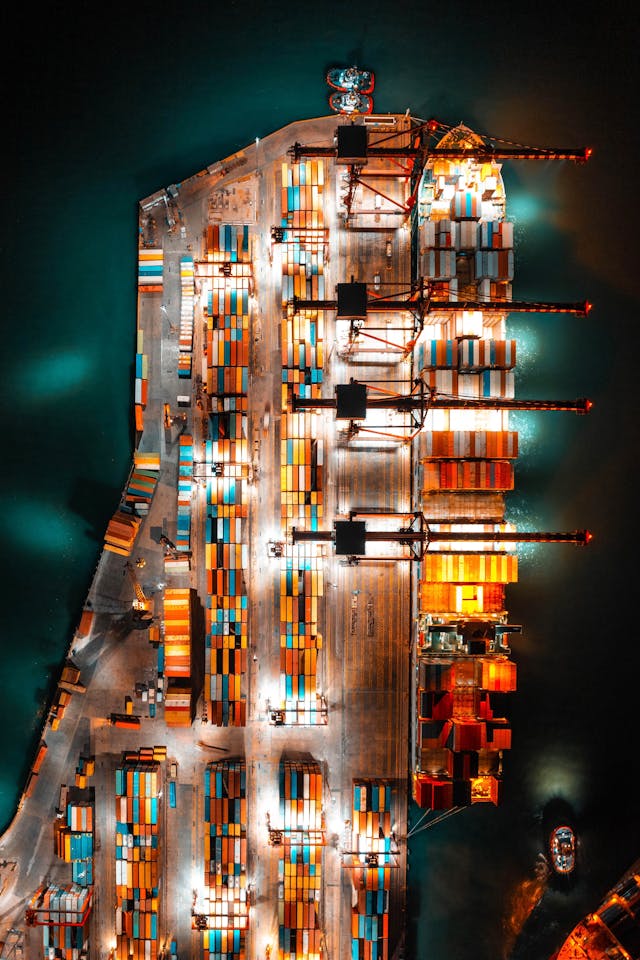
The TBP World Vision Project is built on a robust, integrated infrastructure architecture designed to deliver the Neo-Polar Neutrality Global System (NPNGS) at scale. This infrastructure-led approach moves beyond policy-driven trade models by embedding neutrality, interoperability, and resilience directly into physical and digital systems. TBP has developed a comprehensive portfolio of standardised, modular, and plug-and-play infrastructure solutions that together form the foundation of a single global neutral trade corridor. Through this architecture, nations, regions, and businesses can modernise their trade assets, strengthen cross-border connectivity, and integrate seamlessly into the TBP international trade grid. By linking infrastructure across offshore, onshore, urban, and industrial environments, the TBP system accelerates regional infrastructure development, unlocks new global market access, and enables faster, more inclusive participation in international trade—driving long-term economic growth and social development.
TBP Global Infrastructure Delivery System
Develop
Design
Finance
Construct
Unveiling the Capital & Infrastructure Engine
The TBP World Vision Project is powered by Infrastructure Asset Tokenisation — a breakthrough mechanism that transforms physical trade, energy, and data infrastructure into globally investable, interoperable digital assets. This approach enables scalable financing, neutral participation, and accelerated deployment of infrastructure under the Neo-Polar Neutrality Global System (NPNGS).

Global Trade
Integration

Innovative Investment Structures

Collaborative Infrastructure Development
Global Trade Neutrality Alliance by TBP
The Borderless Project is facilitating a voluntary global alliance focused on the establishment of neutral trade corridors and hubs governed by transparent, protocol-based rules. The Alliance enables participating countries, regions, and trading blocs to opt into neutral trade infrastructure that allows trade, capital, energy, and data to flow securely across borders—without requiring political alignment, regulatory harmonisation, or bloc membership.
Participation is corridor-specific and non-exclusive. Countries and regions retain full sovereignty over domestic laws, immigration, taxation, and trade policy. The Alliance does not impose market integration; instead, it provides interoperable infrastructure and neutral trading environments where companies from any jurisdiction may operate on an ad hoc basis, subject to host-country laws.
TBP will offer participation to countries, regions, and regional or international trading blocs—including ASEAN, NAFTA, APEC, the EU, BRICS, AFTA, and GAFTA —on a voluntary, corridor-by-corridor basis, to enhance international trade cooperation through neutral infrastructure rather than political alignment.
TBP does not create a single global market; it enables multiple sovereign markets to interoperate through neutral, protocol-governed trade corridors.

In addition to conventional trade agreements, The Borderless Project has developed a proprietary new model of international trade agreement, known as TBP Trade Agreement On D Go®, designed to transform how countries, regions, and trading blocs engage in cross-border trade. Unlike traditional agreements that are negotiated over years and structured around sector- or commodity-specific commitments, this model is based on a pre-defined monetary trade value.
Under the Trade Agreement On D Go®, participating authorities voluntarily set a maximum monetary trade cap, which functions as a shared, declining balance accessible in real time by verified traders operating within the TBP Neutral Trade Corridor. As trade transactions occur, their monetary value is automatically deducted from the agreement balance, enabling continuous bilateral or multilateral trade participation without renegotiation.
This approach allows small and medium-sized enterprises (SMEs) to participate directly in international trade agreements alongside larger firms, without requiring individual treaty inclusion or sectoral lobbying. By broadening access to trade opportunities and enabling real-time utilization of monetary trade caps, the Trade Agreement On D Go® supports more inclusive global trade participation, improved trade balance management, and sustainable economic growth across participating economies.
Marka https://iwildcasino.app/ w krótkim czasie zdołała zbudować lojalną społeczność graczy. Automaty w różnych kategoriach stanowią trzon kasyna i odpowiadają na każdy gust. Sofort-wypłaty są dla zweryfikowanych graczy VIP szczególnym komponentem serwisu. Proces rejestracji obejmuje tylko kilka niezbędnych kroków i jest gotowy w ciągu minut. Również klasyczne warianty pokera, takie jak Casino Hold’em, są dostępne w formie live. Promocje Drop-and-Win rozdają codziennie nagrody na wybranych slotach wśród aktywnych graczy. Wsparcie zna nie tylko platformę, ale również techniczne szczegóły. Gracze mogą zapisać się na regularne newslettery z aktualnymi akcjami. Platforma współpracuje z organizacjami, takimi jak GamCare i BeGambleAware. Kto chce zdecydować się na poważnego dostawcę, znajdzie tu godny polecenia wybór.
Anyone who values variety, speed and security will find it at https://jackbit-casino-aus.com. Cashback promotions refund a percentage of losses at the end of the gaming week. The mobile cashier is just as clear and orderly as the desktop version. Slot reviews offer detailed insights into the mechanics and payout structures of new titles. Bank-level SSL encryption protects all data transmissions against unauthorised access. Step-by-step guides help with the setup of payment methods. Bank transfers remain available as a classic method, although with longer processing times. Auto-roulette tables allow quick game rounds without a human dealer. Transitions between sections flow smoothly and do not disrupt the game flow. Regional variants of Roulette and Blackjack complement the already extensive table game offering. The combination of game variety, bonus offerings and service makes the proposition particularly attractive.
How Does it Work?
Get in Touch
- +44 (0) 20 3297 7180
- enquiries@tbpinitiative.com
- United Kingdom