
The Illusion of Control
One powerful psychological trick that casinos employ is the illusion of control. This tactic allows players to feel that they have some influence over the outcomes of games. For instance, slot machines often feature buttons that players can press, which gives them the false sense of control over the game’s results. This feeling can enhance engagement as players believe their choices directly impact their success. When considering options for online betting, some might look for a reputable sportsbook california to enhance their gambling experiences.
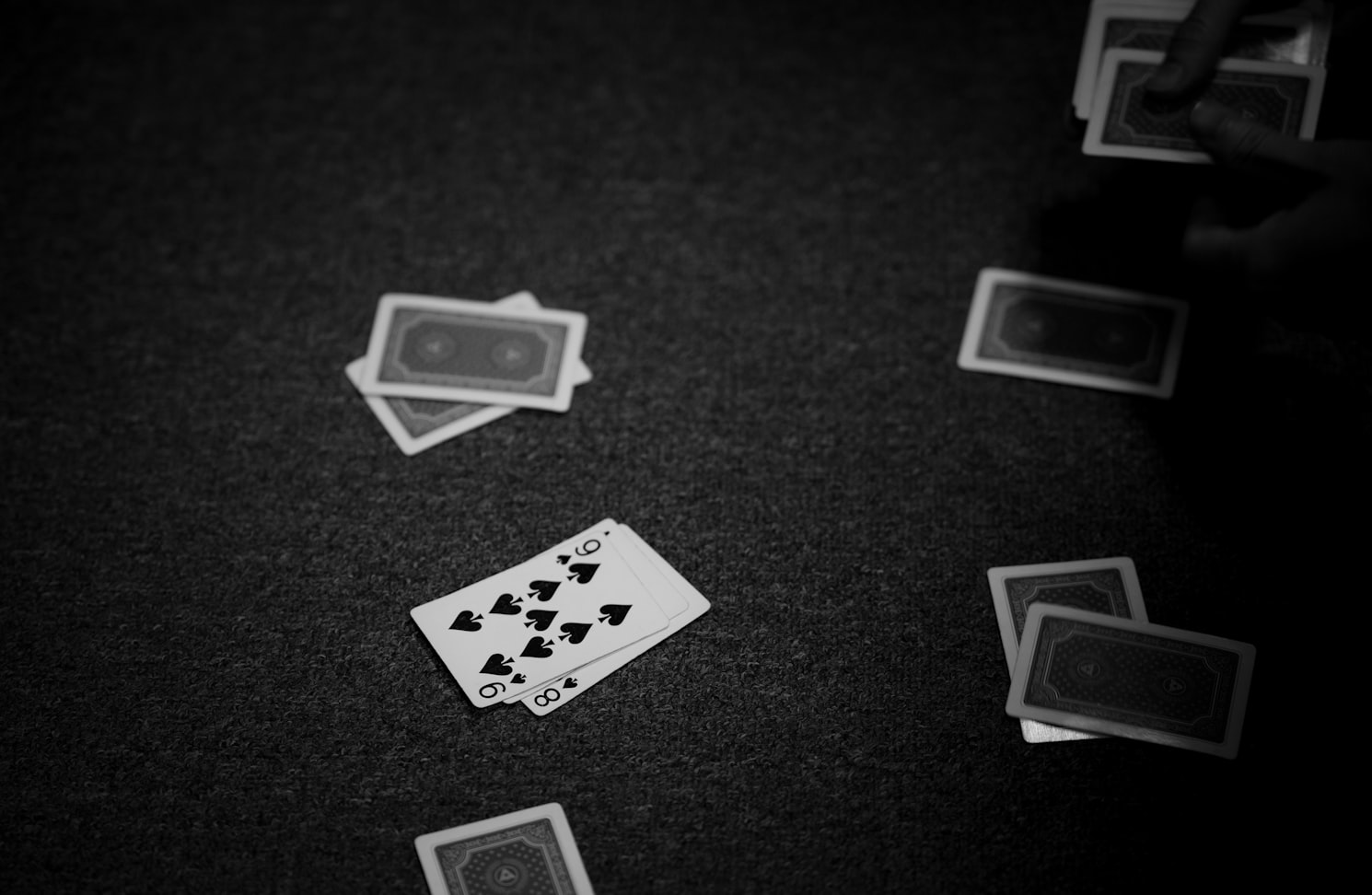
Additionally, games that require skill, such as poker or blackjack, further amplify this illusion. Players invest time and effort into developing strategies, convincing themselves that their decisions can lead to better outcomes. As a result, they are more likely to continue playing, driven by the belief that they can beat the odds through their expertise.
Reward Systems and Variable Reinforcement
Casinos also utilize sophisticated reward systems to keep players coming back. These systems often incorporate variable reinforcement schedules, meaning that players receive rewards at unpredictable intervals. This unpredictability creates anticipation and excitement, which can lead to prolonged play. For example, a player might win a small jackpot one time and not win again for several rounds, but the hope of hitting a big win keeps them engaged.
This method is heavily backed by principles of behavioral psychology, where the unpredictability of rewards can enhance addictive behaviors. Players are drawn to the thrill of the gamble, as each spin or hand played presents a chance of winning, making it harder for them to walk away without trying just one more time.
The Role of Environment and Atmosphere
Another key factor in keeping players engaged is the carefully crafted environment of casinos. From the vivid colors and bright lights to the sounds of jingling coins and cheers from fellow players, every aspect of a casino is designed to create an immersive experience. This sensory overload helps to stimulate excitement and keeps players alert, encouraging them to play for longer periods.
The layout of casinos is also strategically designed to prevent players from easily leaving. Games are positioned near one another, and the lack of clocks or windows can distort a player’s perception of time. This engineered environment helps reinforce the gambling experience, making it difficult for players to realize how long they have been playing or how much they have spent.
Social Interactions and Peer Pressure
Casinos often foster a communal atmosphere that enhances engagement through social interactions. Players are drawn to the camaraderie associated with group gambling experiences. Socializing at tables or slots can create a fun and engaging environment, making individuals less likely to leave. The desire to be part of a group or to share in collective excitement can significantly influence a player’s decision to stay longer.
Peer pressure can also play a significant role in gambling behavior. Observing others winning or having fun can motivate players to continue playing, even when they are on a losing streak. This social aspect can lead to a kind of herd mentality, where individuals feel compelled to join in the excitement, thus prolonging their gambling experience.

Your Guide to Responsible Gambling
Understanding the psychological tactics employed by casinos is essential for players who want to engage responsibly. By recognizing these strategies, individuals can make more informed decisions about their gambling habits and ensure they are playing for enjoyment rather than compulsion. It’s vital to approach gambling with awareness and mindfulness of one’s limits.
Our website provides resources aimed at promoting responsible gambling. We encourage players to explore our insights and reviews, which aim to elevate your experience while maintaining safety and enjoyment. Learn more about how to navigate the world of gambling wisely and keep your gaming journey enjoyable and responsible. Zignalor